

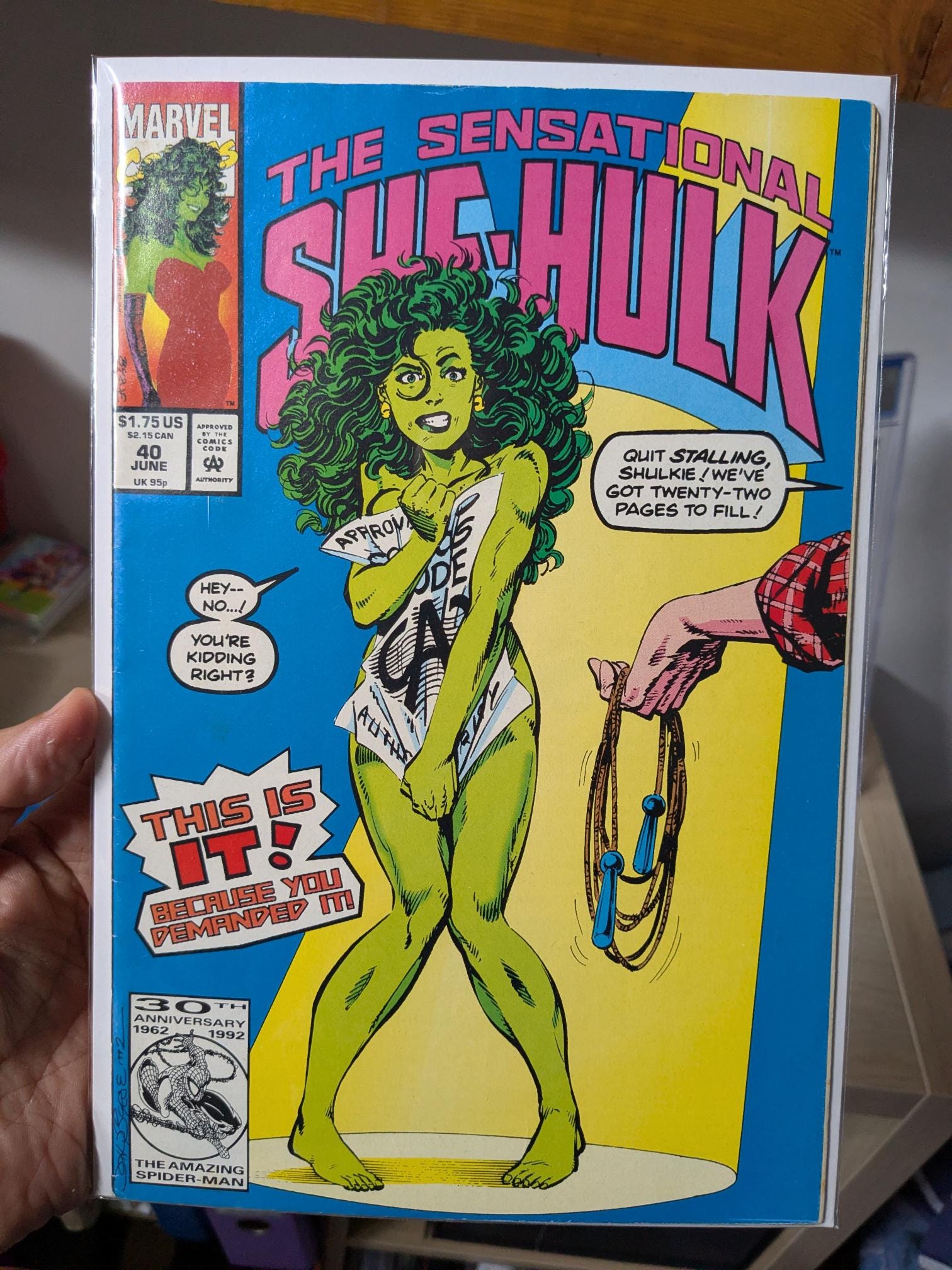
Every time someone new walks into my office, their attention always goes straight towards the shelves. The question is almost always the same.
“Are these worth something?”
It’s a fair question, but the interesting question is this:
Why do some people recognise value years before everyone else does?
I’ve spent decades collecting things—vintage action figures, comics, books, NBA jerseys, surfboards, skateboards and plenty of other niche items along the way. Some have appreciated dramatically, others not so much. But the financial return has never been the whole story. Collecting has quietly taught me how markets behave, how people assign value, and why patience often beats urgency. In many ways, it’s been one of my best teachers.
Start with curiosity, not profit
If you’re new to collecting, don’t begin by asking, “What should I buy?” Instead ask yourself, “What do I genuinely want to learn about?” The strongest collections rarely begin with a spreadsheet. They begin with curiosity.
Maybe it’s something from your childhood that still makes you smile. Maybe it’s vintage action figures, comics, books or football shirts. Perhaps it’s an artist whose work you admire. Or maybe it’s something happening right now that most people haven’t fully recognised yet.
For me, one current example is the Japanese One Piece booster packs. People constantly say they wish they’d bought original Pokémon booster packs twenty-five years ago and left them sealed. That’s hindsight. The more interesting question is:
What’s today’s equivalent?
Nobody knows—and that’s exactly the point. Real opportunities only look obvious once they’ve already happened. I’d much rather spend my time looking forwards than wishing I could go backwards in time (because as of today’s date, that’s not possible).
Whatever your niche, choose something you’d still enjoy owning if it never increased in value. That one decision changes your mindset completely. You’re no longer gambling. You’re learning.
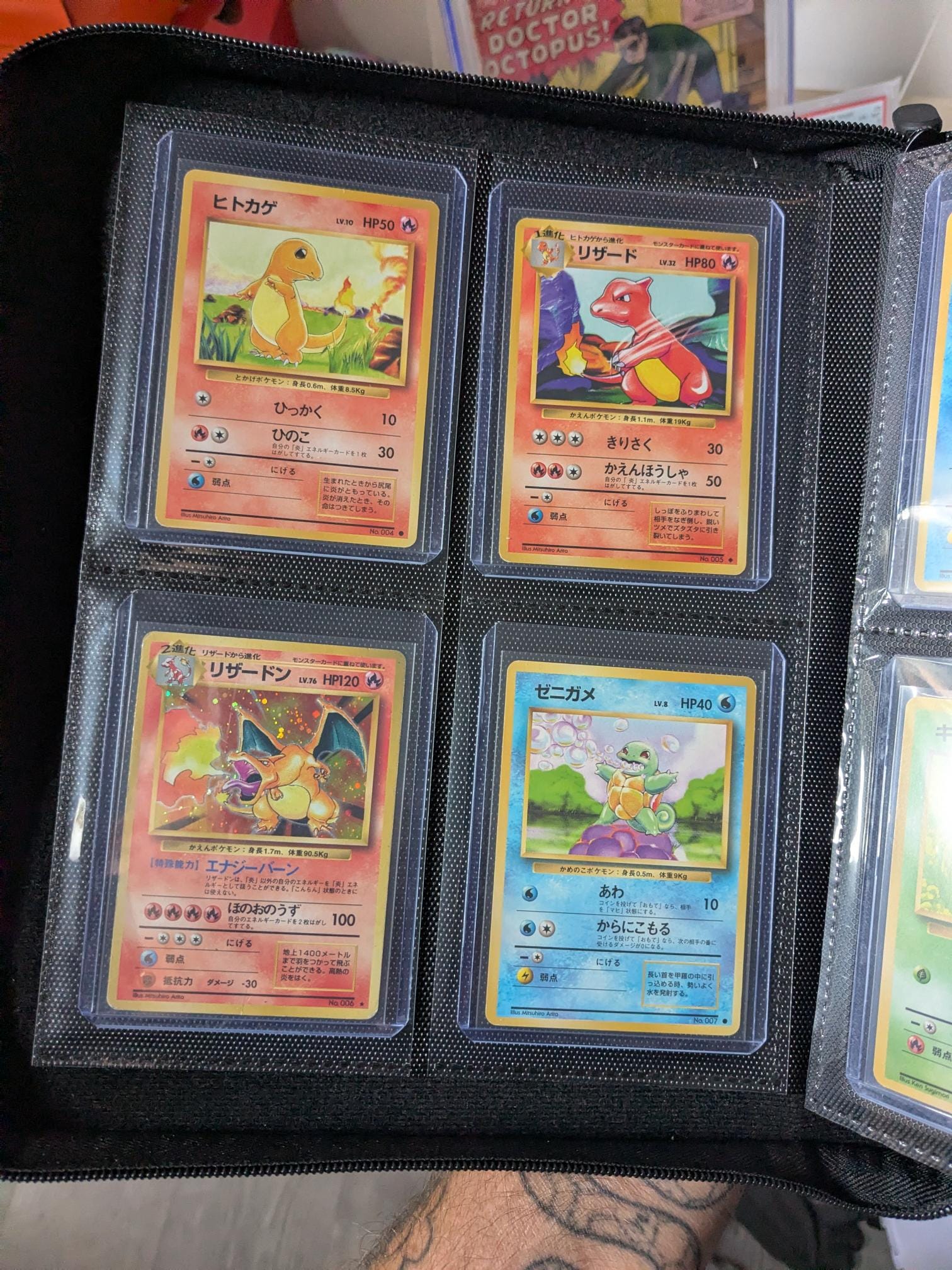
Become a student
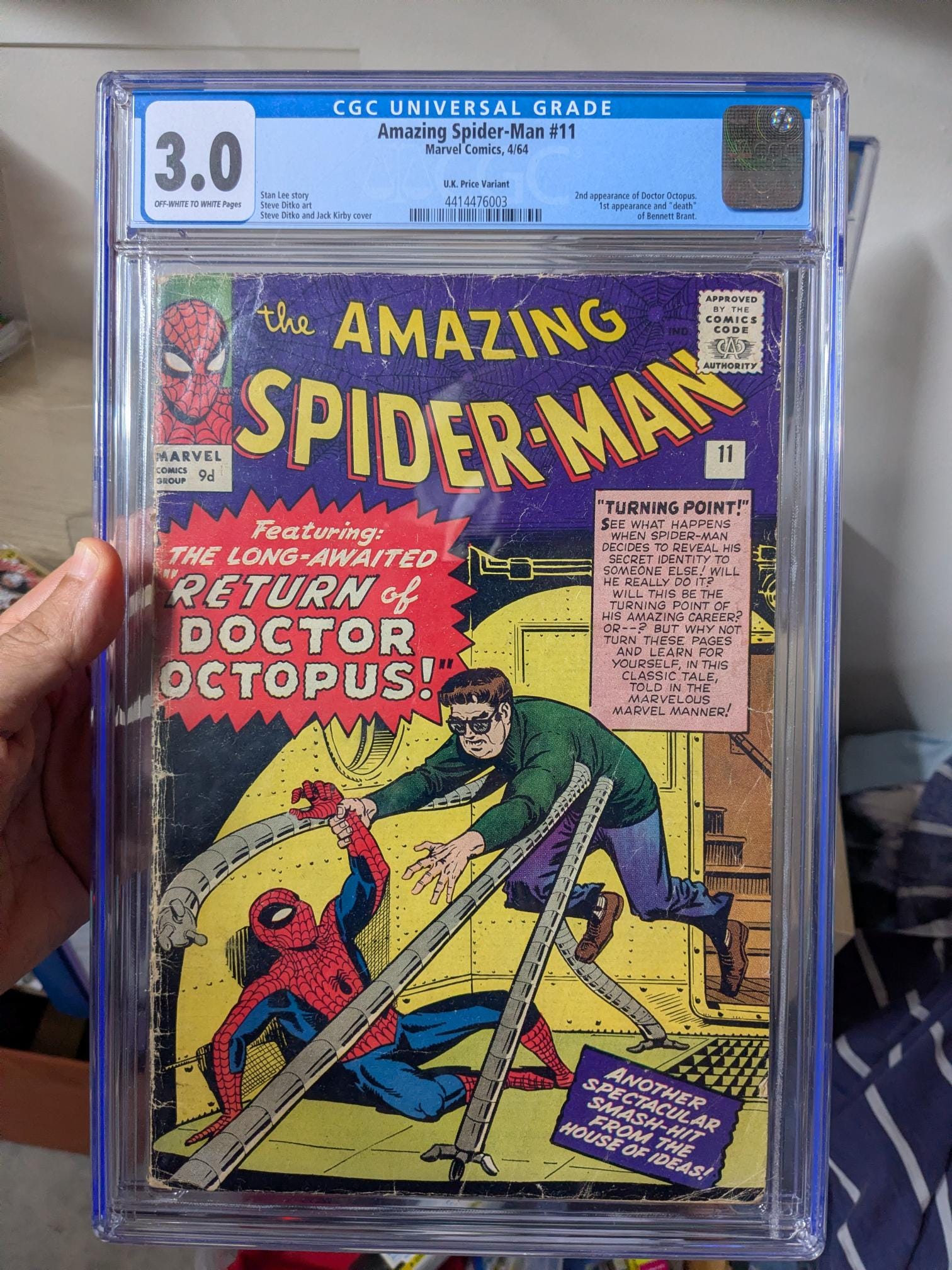
Before buying anything, spend time learning. Learn the history, the important editions, what collectors care about and why one version commands ten times the price of another. Learn who the respected names are, what makes something genuinely scarce, and why certain pieces become iconic while others quietly disappear. Rarity and condition are important.
Knowledge compounds in exactly the same way money does. Eventually you stop reacting to prices and start recognising value. That’s a very different skill, and one that extends far beyond collecting.
Learn fair market value
One of the biggest mistakes new collectors make is confusing asking prices with actual value. An item isn’t worth what somebody hopes to receive. It’s worth what somebody is prepared to pay. That’s the same for anything in life, not just collectables.
One of the easiest ways to understand this is through eBay’s sold listings. Ignore asking prices. Study completed sales. That’s where reality lives.
Once you’ve spent enough time looking at a market, something interesting starts happening. You’ll scroll through listings and instinctively know when something is cheap.
That’s when I like using marketplaces like Vinted.
If I already understand the market and I spot something priced well below what I believe is fair market value, I’ll make an offer. Sometimes they reject it. Sometimes they accept it. I do the same when someone makes an offer on one of my items.
That’s one of the biggest differences between collectables and traditional investments.
You can’t decide you’d like to buy Apple shares at 30% below market value and send an offer to the stock exchange.
With collectables, you can.
Buying well removes a surprising amount of risk before you’ve even taken the item home. The saying goes - you make the money when you buy, not when you sell.
Markets aren’t always logical
Collecting teaches another valuable lesson.
Markets don’t always reward what’s technically correct.
Comic books provide a great example.
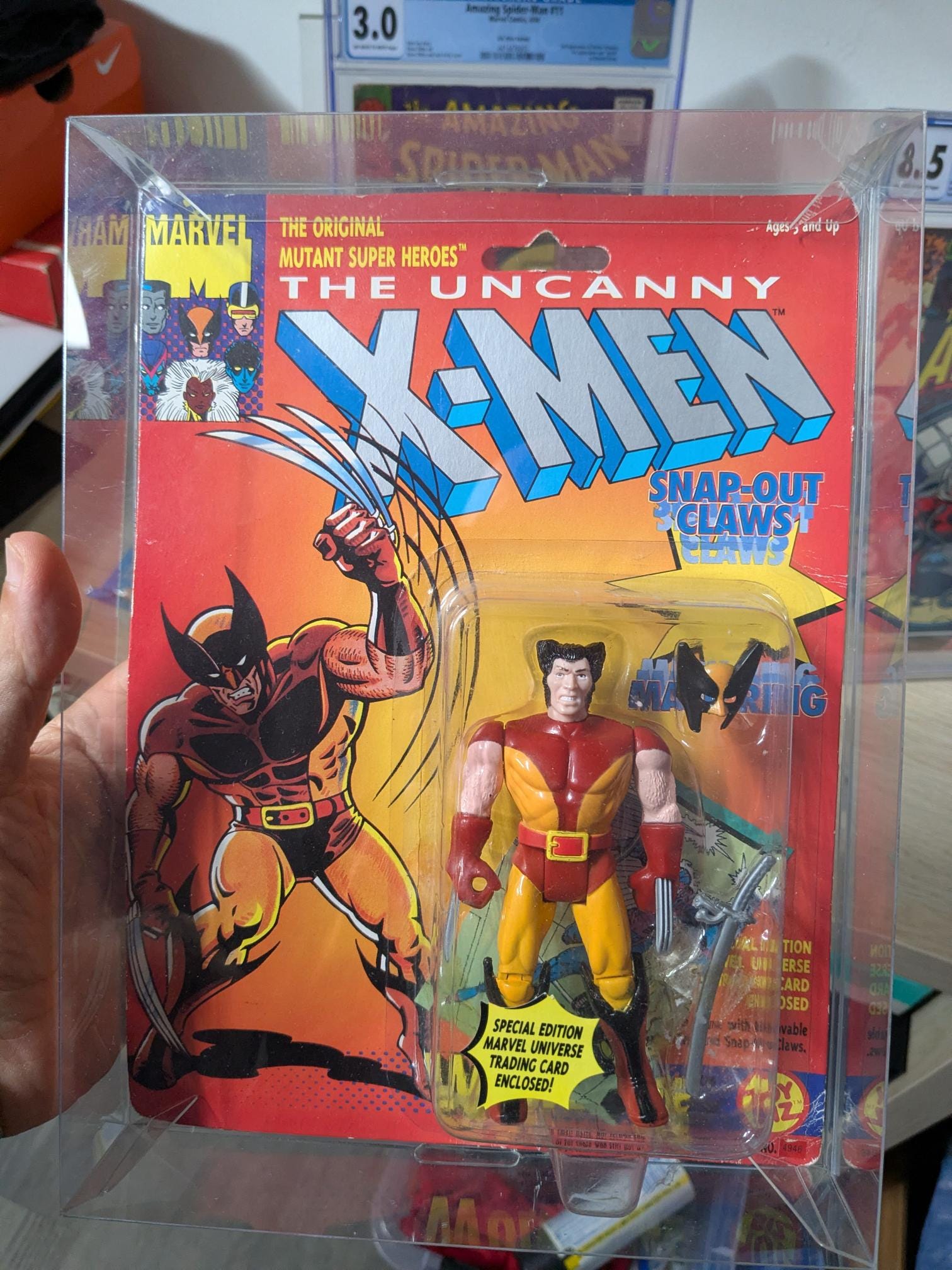
Technically, The Incredible Hulk #180 contains Wolverine’s first appearance. Yet The Incredible Hulk #181 has become the comic most collectors actually want. It’s the iconic issue. The memorable cover. The recognised key. It’s usually worth considerably more.
Sometimes the story surrounding an object becomes more valuable than the technical facts.
That’s true of comics.
It’s true of art.
It’s true of brands.
It’s true of businesses.
Understanding how people perceive value is often more important than simply knowing the facts.
Collect together
Some of my favourite collecting memories haven’t involved buying anything particularly valuable. They’ve involved my children.
We’ll spend afternoons together in my office trading Pokémon cards, browsing eBay auctions, discussing whether something represents good value, or planning which card shops we’re going to visit while we’re on holiday.
To them, it’s a fun afternoon together. To me, they’re learning lessons they’ll use for the rest of their lives.
They’re experiencing excitement when they find something special. Disappointment when they miss out. They’re learning to negotiate, to buy, to sell, to wait patiently for the right opportunity and to recognise that value isn’t always obvious.
Those are useful skills whether they eventually become collectors, investors or business owners.
I genuinely can’t think of many hobbies that teach so many life lessons without feeling like work.
Collectables aren’t very liquid
One advantage of stocks and digital assets is liquidity.
If you need money tomorrow, you can usually sell them within seconds.
Collectables don’t work like that.
Finding the right buyer often takes time. You need photographs, descriptions, conversations and negotiation.
Some people see that as a disadvantage…. Sometimes it is.
But I’ve also found it can be a real strength.
When markets fall, it’s incredibly easy to panic sell shares or Bitcoin. A few clicks and they’re gone.
Collectables naturally slow you down.
That little bit of friction often gives you enough time to think rather than react emotionally. I’ve always liked that.
Return on enjoyment
There’s another return that almost never appears on an investment spreadsheet.
Enjoyment.
When I buy something, I don’t hide it in a cupboard, I display it.
Every day I walk into my office, I’m surrounded by pieces that remind me of artists I admire, stories I enjoyed growing up, memories from childhood or simply objects I think are beautifully designed.
Some of the money I’ve spent stops being investment money the moment I start enjoying it.
It becomes entertainment.
It becomes nostalgia.
Sometimes it even becomes wellbeing.
If something gives you pleasure every day for ten years before you eventually sell it, surely that has value too.
I think it’s worth factoring that into the equation.
Build your collection on solid foundations
Collecting should always come after the fundamentals.
Pay your bills.
Build an emergency fund.
Look after your family.
Never buy something because somebody online promised it’ll make you rich.
Collect because you’re genuinely interested.
Study the market.
Buy patiently.
Pay sensible prices.
If your collection increases in value over time, that’s fantastic.
If it doesn’t, you’ll still own something that brings you enjoyment every time you look at it.
The real lesson
People often think collecting is about accumulating objects.
I don’t.
I think it’s about training your eye.
It’s about developing taste.
Learning patience.
Recognising quality.
Understanding markets.
Seeing value before everyone else does.
Those skills don’t stay inside your collection. They quietly spill into business, investing, negotiation and everyday life.
The objects simply happen to be the classroom.
And if, years from now, your collection is worth considerably more than you paid for it...
That’s a pretty nice bonus too.
Great article J - i like you collect all sorts of things. Some things are just visually beautiful others are a steal. (example) I bought some early James Jarvis figures off a chap for a really fair price, they were worth more than i paid; but he needed the cash. I still have them, i adore them and i love that i own some Jarvis stuffs.
A lot of people come into the studio and say why don't you sell all these bits and make some dollar - truth is if they went it would be really hard to either find or afford to buy them back.
So that will always go into the equation if I part with any of my swagooo.